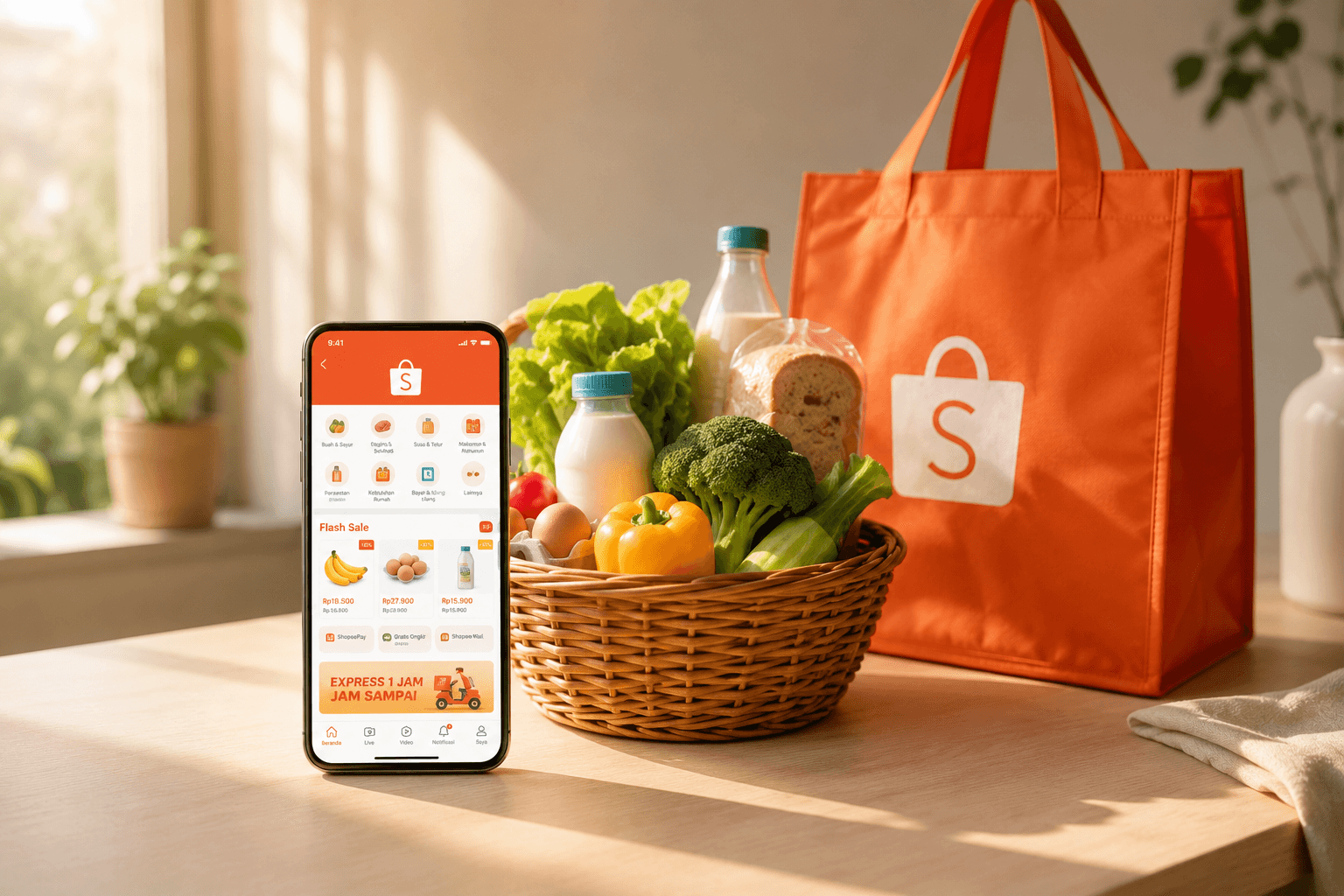
Our view: Shopee is not simply entering quick commerce. It is adding speed to a commerce ecosystem that already owns discovery, promotions, payments, and seller demand.
That creates a meaningful advantage.
A standalone quick-commerce company usually needs to build several layers simultaneously:
- Consumer awareness
- Ordering frequency
- Inventory
- Fulfilment infrastructure
- Delivery supply
- Promotions
- Trust
Shopee already has many of those layers.
Consumers are familiar with opening the app, comparing prices, using vouchers, paying digitally, and tracking deliveries.
Retail partners already understand how to sell through the platform.
The strategic question is whether Shopee can compress a marketplace experience that was built around planned purchases into one suitable for urgent and habitual needs.
That is not automatic.
The Consumer Job Is Different
Traditional e-commerce is often planned.
Quick commerce is usually triggered by immediacy:
- An ingredient is missing
- A household item has run out
- A child needs medicine
- Dinner needs to be prepared
- The consumer wants convenience without visiting a store
The user experience must therefore feel simpler and more reliable.
Consumers are less tolerant of:

- Out-of-stock substitutions
- Long picking times
- Incorrect inventory
- Late arrival
- Unclear delivery coverage
- Excessive minimum baskets
Shopee may already have consumer traffic, but quick commerce requires a different operational promise.
Shopee’s Strongest Advantage May Be Retail Partnerships
The model appears to rely partly on existing retailers rather than a fully owned dark-store network.
That can reduce capital requirements and give Shopee access to established inventory.
It may also create greater operating variability.
The platform needs accurate store-level inventory, fast picking, reliable handoff, and consistent service across partners with different operating systems.
The challenge is not merely adding retailers.
It is creating one consistent customer promise across them.
Discovery and Promotions Could Matter as Much as Speed
Shopee’s wider ecosystem gives it significant tools to influence behaviour:
- Search ranking
- Recommendations
- Flash promotions
- Free delivery
- Membership benefits
- Cross-category discovery
- Payment incentives
This means Shopee may not need consumers to think of it as a dedicated grocery app.
It can introduce groceries to users who are already visiting for fashion, beauty, electronics, or household products.
That could lower the cost of acquiring quick-commerce customers.
But heavy promotional support creates a familiar tension.
Consumers may adopt the service because of discounts rather than because one-hour delivery becomes a lasting habit.
The real proof will be repeat behaviour after the incentives become less aggressive.
The Bigger Platform Question
Shopee’s move reflects a broader trend:
Large consumer platforms are trying to own more purchase occasions.
The goal is no longer only to capture planned marketplace shopping.
It is to become relevant across:
- Weekly grocery missions
- Immediate household needs
- Health and personal care
- Food delivery
- Payments
- Entertainment-led commerce
Quick commerce increases frequency.
Frequency creates more data, more advertising inventory, more membership value, and more reasons for consumers to remain inside the ecosystem.
Our conviction is that Shopee’s advantage will not come from being the fastest delivery company.
It will come from combining speed with an existing demand engine.
Discussion
Nice --
Dwiki